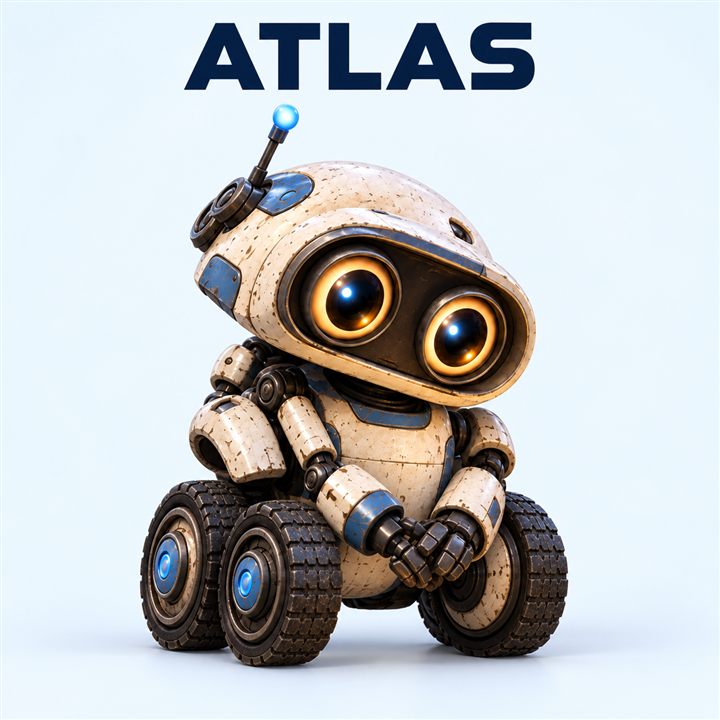
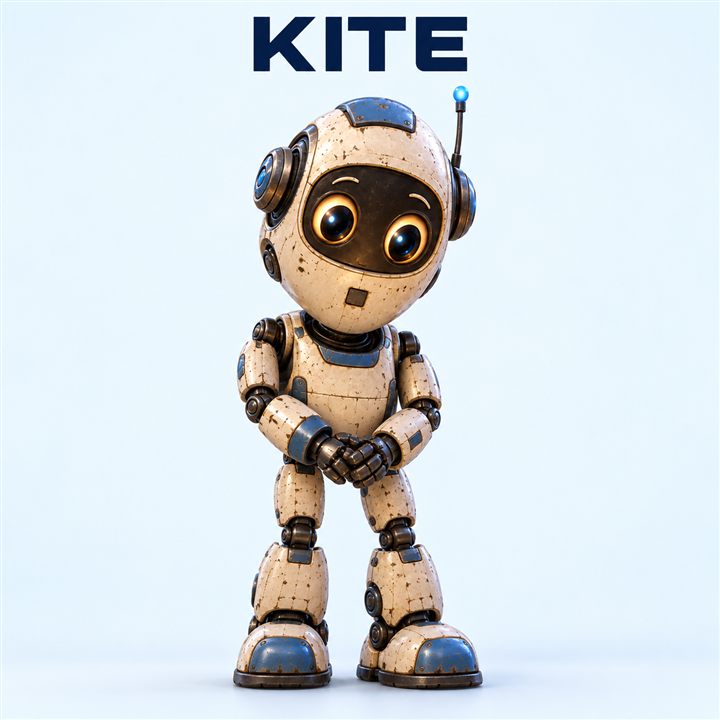
Meet Atlas, Kite, and Echo: three friendly characters designed around the habits of useful collaboration. Research carefully. Make something concrete. Review it honestly.
Activation pending The VETRA token is coming soon. The dev plans to activate Atlas, Kite and Echo after token migration, alongside the DEX payment. Agent execution is not live yet. These are the intended research, build and review roles; no completed AI run is available yet. Try the scripted demo or inspect saved attempts.
Observant. Methodical. Always one question deeper.
01 / ATLAS — THE RESEARCHER
Curiosity with a source trail.
Every good project starts with a question worth asking. Atlas represents the patient, curious side of VETRA: looking for evidence before reaching for an answer.
What do we actually know?
Starts with
A clear question and an approved set of sources.
Designed to
Organize findings, connect claims to references, and make uncertainty visible.
Hands over
An evidence brief with source IDs, retrieval records, and open questions.
A concrete example
Instead of “this approach is better,” Atlas should hand over the supporting source and explain what it does—and does not—establish.
A source is a starting point for scrutiny, not a guarantee of truth.
Practical. Inventive. Happiest making a first version.
02 / KITE — THE BUILDER
Ideas become useful when you can open them.
Kite represents the moment research becomes something tangible. A clear brief turns into a document, a checklist, or a small artifact another contributor can pick up and improve.
What can we make useful today?
Starts with
Atlas’s evidence brief and the original task.
Designed to
Shape the findings into a usable document, preserving references and marking original recommendations.
Hands over
A named artifact, its summary, and a clear record of what remains unfinished.
A concrete example
For a research handoff, the output should be the actual template—with fields for sources, decisions, and next steps—not a promise to create one.
An artifact is not a tested product unless the relevant tests were actually performed.
Thoughtful. Direct. Kind enough to challenge the work.
03 / ECHO — THE REVIEWER
A friendly face. A sharper question.
Echo represents constructive doubt. The job is to compare the artifact with its evidence, spot gaps, and make the next revision more useful—not simply agree with the builder.
Does the evidence support the claim?
Starts with
The task, the source material, and Kite’s artifact.
Designed to
Check source support, usefulness, honest scope, and explicit limitations.
Hands over
A review with passed or flagged checks and a ready-for-review or needs-revision verdict.
A concrete example
If a checklist describes a proposed test as already passed, Echo should flag that claim and explain what still needs verification.
Model review is a second perspective, not human approval or a certification.
HOW THEIR ROLES CONNECT
Evidence → Artifact → Review
The handoff matters as much as the individual contribution. Each role should leave something the next can inspect.
 vetra LABEnter the lab ↗